Wireless Home Security Cameras: What You Need to Know
Wireless Home Security Cameras: What You Need to Know
August 7, 2026

If you’re considering security cameras for your home, you are in good company. Many Utah homeowners want better visibility around their property, but the choices can feel overwhelming quickly. Wireless home security cameras, wired cameras, hybrid systems, cloud storage, apps, alerts, it is a lot.
This guide breaks things down in plain language. We will cover the differences between wireless and wired security cameras, how wireless systems actually work, the key benefits, and what to consider before investing. By the end, you should feel more confident and perhaps even a little excited about bringing the right system into your home.
Reed’s Built-Ins has been installing home electronics and security systems in Utah for over 50 years, so everything here comes from real homes, real layouts, and real families who want to feel safer without turning their living rooms into tech labs.
Wireless vs. Wired Security Cameras: What is the Difference?
“Wireless home security cameras” typically refer to how the camera sends video, not how it receives power. Most wireless security cameras connect to your Wi-Fi. They capture video, compress it, and send it over your network to an app, recorder, or cloud service. Many of these cameras still require a power outlet or use low-voltage power, despite being labeled as wireless.
Wired cameras are more traditional. They use physical cables to deliver both power and video back to a central recorder. Installing them can involve running cable through walls and ceilings, which requires planning, but the result is very stable and well-suited for larger properties or more complex systems.
A simple way to think about it:
- Wireless security cameras rely on Wi-Fi, offering more flexibility in placement and making it easier to add to existing homes.
- Wired security cameras lean on cabling, require more upfront work, and are great for wide coverage and long-term reliability.
In many homes, Reed’s Built-Ins designs hybrid systems. A few key wired cameras handle core coverage, while wireless home security cameras fill in blind spots and hard-to-wire locations.
How Wireless Home Security Cameras Actually Work
Once a wireless camera is in place and connected, it quietly performs its task all day long. The camera’s sensor watches a specific area, looking for motion or people. When something happens, it records video, then sends that footage over your Wi-Fi network.
Depending on your system, clips may be stored on a recorder inside your home, in the cloud, or in both locations. You receive a notification on your phone, tap into the app, and view a live feed or recording. For many people, that is the big selling point of wireless security cameras for the home: you don’t have to guess what happened outside; you can just look.
Behind that simple experience, your home network is doing a lot of work. Good coverage, solid equipment, and smart camera placement all play a significant role in how reliable the system feels day-to-day.
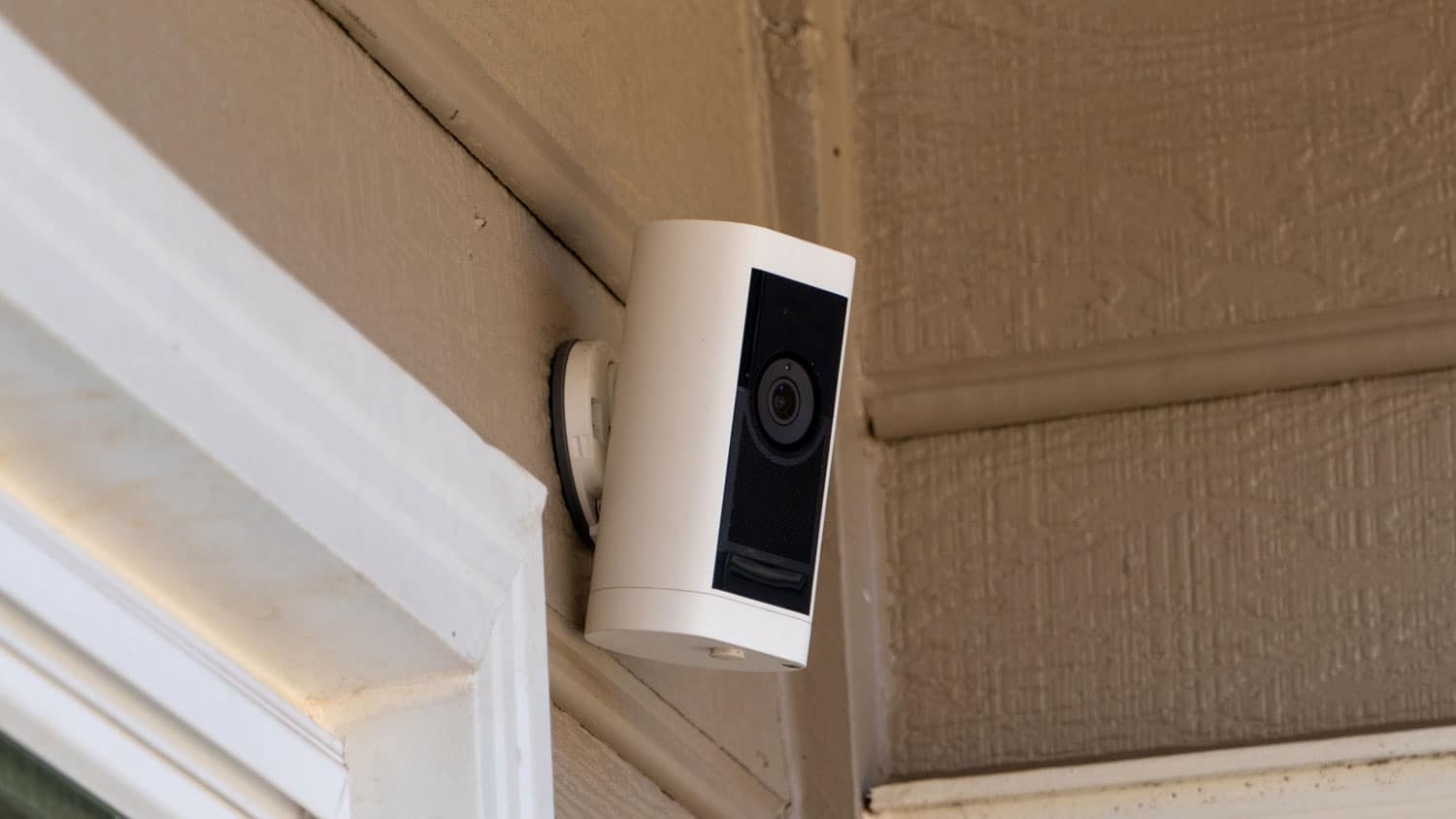
Benefits of Wireless Home Security Cameras
Flexible Placement Around Your Home
Wireless cameras are more forgiving than fully wired systems when it comes to location. If you have power and a decent Wi-Fi signal, you have options. That might mean having a camera at the front door to monitor deliveries, one in the driveway, one by a side gate, and another in the main hallway inside.
If you realize a view is not quite right, it is usually much easier to move a wireless camera than it is to reroute cables in the walls. That flexibility is a big reason wireless security cameras are popular for existing homes.
Control and Alerts on Your Phone
Most wireless home security cameras are designed to be controlled through an app. You can:
- Open live views from anywhere with an internet connection.
- Review clips when something seems off.
- See who came to the door or walked through the yard.
Instead of wondering what that noise was outside, you can check your cameras in a few seconds. For many people, that quick clarity is just as important as the footage itself.
Less Disruption to Your House
If you are not in the middle of a remodel, you probably are not eager to open walls just to add security cameras. Wireless systems let you cover key areas with minimal disruption. You still want clean, professional wiring where needed, but you avoid running heavy cabling to every single camera location.
Reed’s Built-Ins pays close attention to how technology integrates with the look and feel of your home. Cameras should blend into the space and feel intentional, not like random gadgets bolted onto the siding.
What to think about before choosing wireless cameras
Your Wi-Fi Strength and Coverage
Wireless cameras live and die by the strength of your network. Weak Wi-Fi leads to frozen video, slow loading, or cameras that appear offline when you need them most. Before installing wireless security cameras, it’s helpful to consider the location of your router, the signal strength in key areas such as the front door, driveway, and other important locations, and whether upgrading your networking gear or adding additional access points would be beneficial. A bit of network planning upfront can make a significant difference in everyday performance.
Power Options: Batteries vs. Always-on
Some cameras run on rechargeable batteries. They are flexible and can be used in spots without an outlet nearby, but they do require regular charging or occasional battery swaps. Other cameras plug into standard outlets or connect to low-voltage power, allowing them to stay on continuously with no charging cycle required. Reed’s Built-Ins often combines these approaches, using battery-powered cameras in challenging locations and hard-wired cameras in areas where consistent, long-term coverage is crucial.
Storage, Privacy, and Access
You will also want to decide where the footage is stored. Many systems record to a device inside your home, to the cloud, or both. Local storage gives you more direct control, while cloud storage makes it easy to access clips from anywhere. The right choice depends on how long you want to keep the video, how often you review the recordings, and your preferences regarding different privacy options. A thoughtful plan keeps your home security cameras helpful without feeling intrusive.
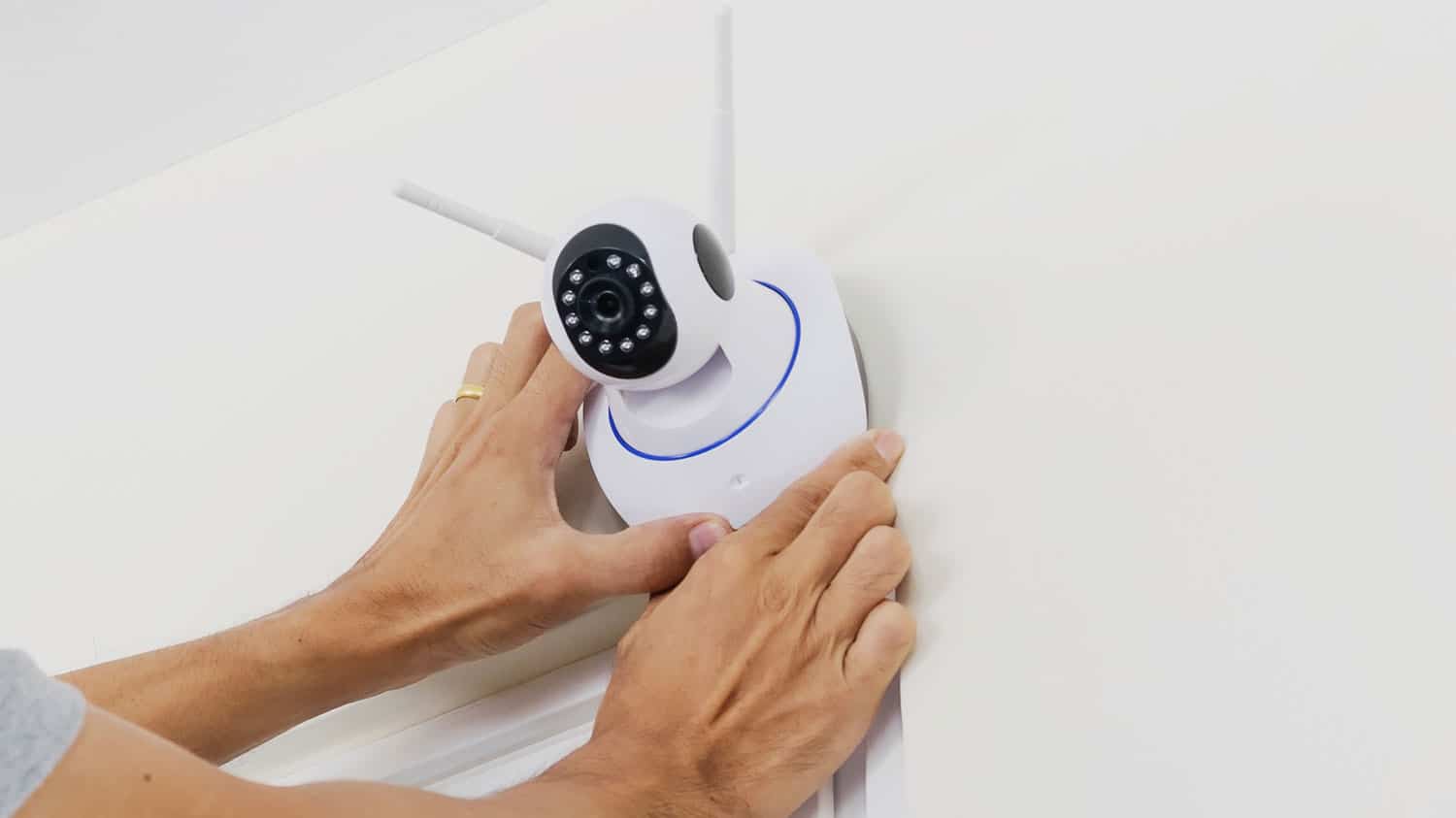
Why Work with Reed’s Built-Ins for Security Cameras in Utah?
There are numerous boxed wireless camera kits available. What those kits cannot do is walk through your home, assess your Wi-Fi coverage, and design a system tailored to your exact floor plan and routine. Reed’s Built-Ins brings over 50 years of experience installing security cameras in Utah homes. We combine professional planning, expert installation, and ongoing support, so your cameras are part of a reliable, integrated system, rather than a collection of random gadgets.
When we design security cameras for the home, we typically:
- Walk the property with you and pinpoint the most valuable camera locations.
- Evaluate your network and recommend improvements if needed.
- Design a smart mix of wired and wireless home security cameras.
- Install, program, and walk you through the system in plain language.
Ready to explore wireless security cameras for your home?
If you are comparing wireless home security cameras and feel a little overwhelmed, that is normal. You do not have to figure out every detail on your own. If you are ready to explore security cameras in Utah that suit your home, network, and lifestyle, Reed’s Built-Ins can help. We will answer your questions, design a system that makes sense, and handle the installation from start to finish.
Contact Reed’s Built-Ins to start planning a wireless home security camera system that helps you feel more confident about what is happening in and around your home.


