Top Home Security Features for 2026
Top Home Security Features for 2026
August 18, 2026
Home security has changed significantly in recent years, and 2026 is setting a new standard beyond simple notification-based systems. The best home security system upgrades now focus on fewer false alarms, better verification, stronger privacy, and clean integration with the rest of your smart home technology. That matters whether you’re a homeowner, a business owner, or a builder planning systems into a new project in Utah.
Below are the top features we recommend for 2026, along with a practical note on how professional planning and expert installation can make the difference between a system that’s impressive on paper and one that truly protects your property.
1) AI alerts that reduce noise and highlight real risk
If your current home security setup sends constant motion alerts from pets, shadows, and passing cars, you’re not alone. The latest systems use AI to learn what is normal at your home and flag what is unusual. The result is fewer alerts and more meaningful ones. New systems can identify behavioral patterns and notify you only when a pattern breaks.
What to look for in your security software:
- Person/vehicle/package detection
- “Single event” style summaries that reduce alert spam
- Options for on-device or on-device processing to improve privacy and reliability
2) Matter-enabled compatibility for smarter integration
A smart home security system is only as effective as how well it works with the rest of your home. Locks, lighting, shades, and automation routines should all work together. Matter 1.5 is improving compatibility across brands and now supports security cameras and door or window sensors. These are core components of modern home security systems.
This matters because it reduces compatibility issues between devices while giving homeowners, businesses, and builders greater flexibility when selecting and expanding their systems. A more unified platform also enables cleaner automation, such as unlocking a door automatically, disarming the security system, and turning on select lights. This creates a smoother and more reliable everyday experience.

3) Next-gen locks and credential options
In 2026, locks are moving beyond basic keypad and app control. New models are showcasing advanced biometrics like facial recognition and palm-vein authentication, aiming for faster access while reducing the risk of copied codes or lost keys.
At CES 2026, Lockly also announced new smart locks with native Matter compatibility and NFC options like tap-to-unlock credentials.
When evaluating smart locks, look for multiple access methods such as PIN codes, mobile apps, NFC credentials, and a physical key backup. User-specific access logs are also important, as they allow you to see who entered and when. Just as critical is professional configuration. This ensures schedules, permissions, and access rules are set up to match how the home or business is used.
4) Visual verification and smarter camera coverage
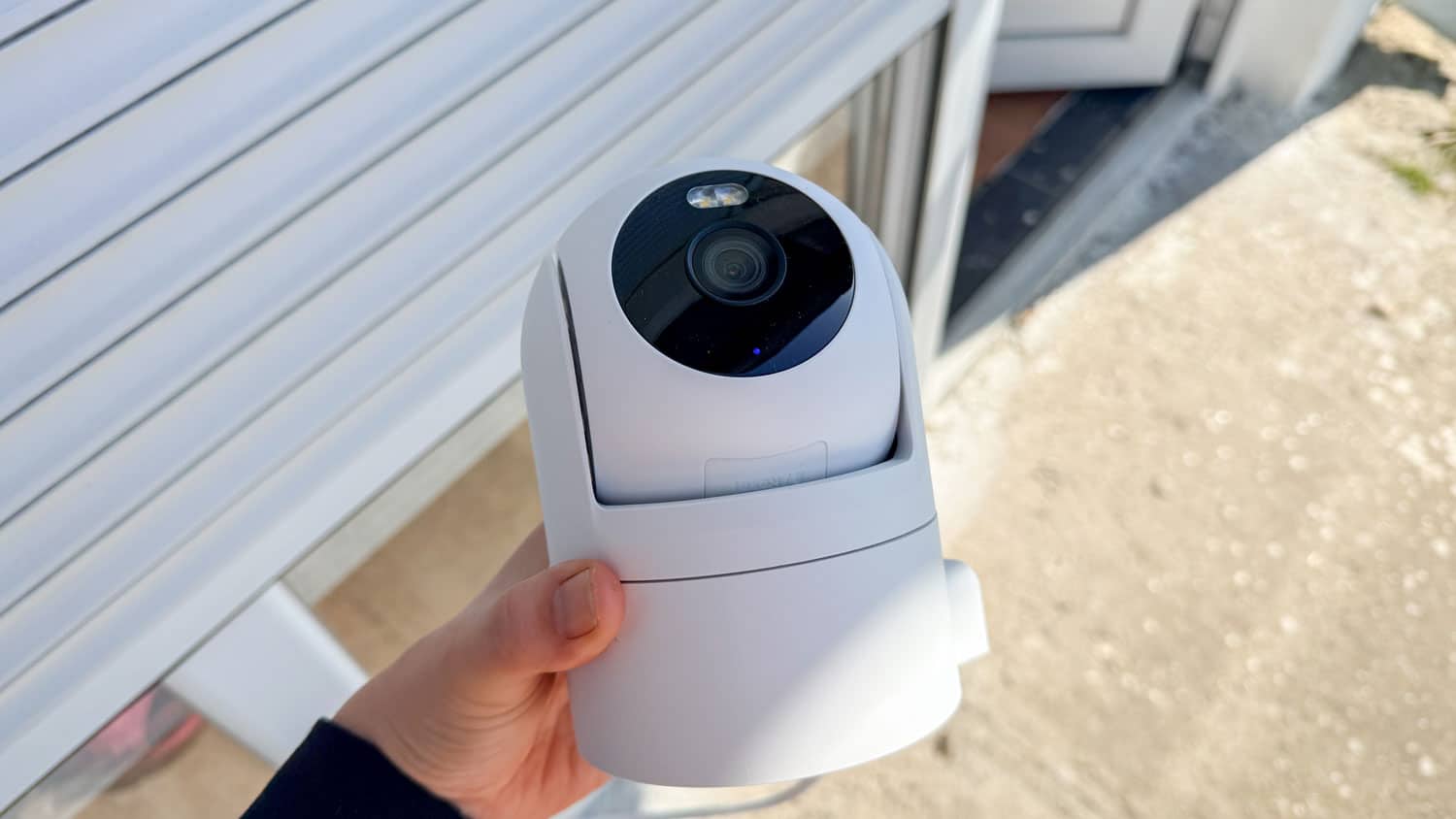
Home security cameras remain a core part of modern systems, but the biggest leap is verification. Higher-quality video, combined with smarter analytics, enables homeowners and monitoring services to confirm events faster and more accurately.
We recommend prioritizing cameras with strong low-light and nighttime performance, along with customizable motion zones to reduce alerts from streets or sidewalks. It is also important to have a clear plan for video storage. Whether that means local storage, cloud-based options, or a hybrid approach that balances accessibility and long-term retention.
5) Cybersecurity built into the system
As security systems get more connected, cybersecurity becomes part of physical security. Standards such as UL 2900-2-3 are specifically designed for network-connected security and life-safety signaling systems, helping establish baseline protections against known vulnerabilities and malware.
What to ask before choosing a home security system:
- Does the manufacturer have a published update/support policy?
- Are passwords, encryption, and device access managed in a modern way?
- Can the system be segmented on your network (especially for businesses or larger homes)?
6) Resilience: cellular backup, battery backup, and the right sensor mix
A strong, built-in home security system stays online when conditions aren’t ideal. Consumer Reports highlights the importance of a base station that includes a backup battery and backup cellular connectivity to handle outages.
Important considerations include battery backup for the main control panel and cellular failover in case your internet connection goes down. It is also important to use a balanced mix of sensors, such as door and window contacts, motion detectors, and glass break detection, to ensure comprehensive coverage throughout the property.
How professional planning makes these features work
The most common issue with security systems is not the equipment. It is how the system is designed and installed. Proper device placement, clean wiring, thoughtful zones, and smart integrations all make the difference between a system that looks impressive and one that works seamlessly every day.
At Reed’s Built-Ins, home security is approached through professional planning and expert installation, customized to each home or business’s operations. With decades of experience, we design systems that are reliable, intuitive, and future-ready.
Ready to upgrade your home security for 2026?
If you’re evaluating a new home security system or want to design a fully integrated, smart home security solution that fits your property, call Reed’s Built-Ins. We’ll help you select the right features and install a system you can trust to last.


