What is a Central Vacuum? (And Why You Might Just Fall in Love With One)
What is a Central Vacuum? (And Why You Might Just Fall in Love With One)
April 23, 2025
So, What Is a Central Vacuum?
A central vacuum system replaces your bulky portable vacuum with a network of tubing built into your walls. Instead of hauling a machine from room to room, you plug a lightweight hose into a wall inlet, and suction pulls the dirt, dust, and debris through hidden pipes to a canister tucked away in your garage, basement, or utility room.
The result is a quieter, more powerful clean, with dust and allergens vented away from the rooms where you actually live and breathe.
How Do Central Vacuum Systems Work?
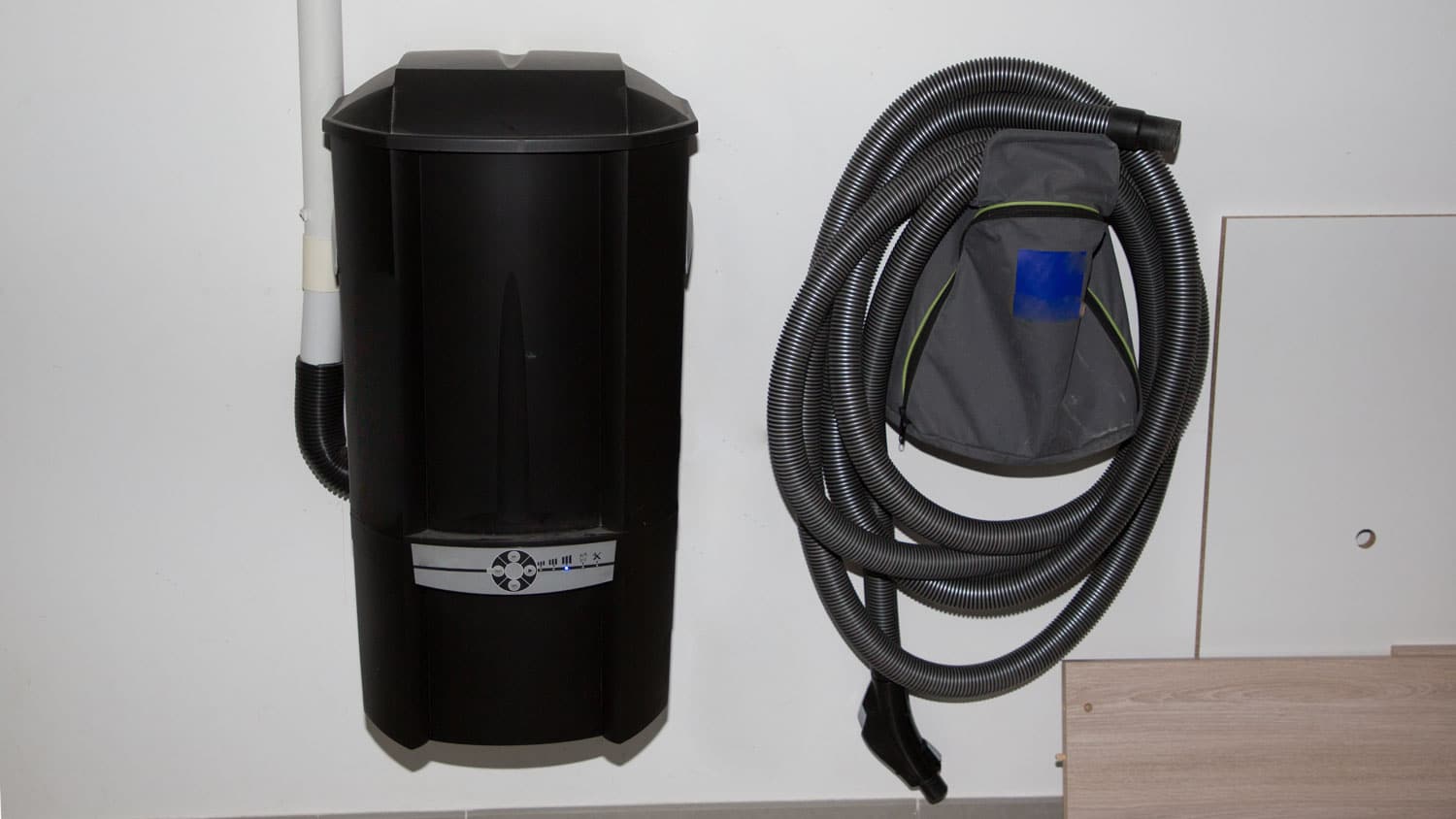
Every central vacuum system centers on a powerful centralvac unit, usually mounted in a garage, basement, or utility closet, wired to inlets placed throughout your home. Plug a hose into any inlet and the unit switches on, pulling dust, pet hair, and debris through the tubing into a collection canister far from your living space.
Add-ons like a retractable Hide-A-Hose system or a built-in dustpan make daily cleanup even easier, since you’re not coiling up a hose or hauling a canister from room to room.
Because the motor runs elsewhere in the house, most homeowners notice a central vacuum is quieter in the room they’re cleaning than a portable unit, and the systems are built to hold up for decades with basic maintenance.
Central Vacuum Pros and Cons: The Honest Breakdown
No system is the right fit for every home. Here’s an honest look at where central vacuums shine, and where they ask more of you upfront.
What’s to Love:
- Big-league power: Central vacuums bring stronger suction than typical portable models.
- Fresher air: Dust and allergens are vented outside your living area, not recirculated.
- Long game: Many systems last 20+ years with just basic maintenance.
- User-friendly: No pushing, pulling, or tangled cords. Just plug in and clean.
What Might Give You Pause:
- Initial investment: It’s a bigger upfront cost than buying a standard vacuum.
- Retrofitting effort: Installing in an existing home takes some planning (but it’s doable, more on that soon).
- Fixed setup: Your inlets are permanent, so strategic placement matters.
For many Utah homeowners, the convenience, air quality, and longevity of a central vacuum system make it worth the investment.
How Much Does a Central Vacuum Cost?
Cost is usually the first question homeowners ask, and it’s a fair one. A central vacuum is priced more like a small home system than an appliance, so your final number depends on your home’s square footage, the number of inlets you want, and whether you’re wiring a new build or retrofitting a finished home.
It helps to weigh that against what you’d spend on portable vacuums over the same span of years. A quality upright or canister vacuum typically needs replacing every several years, on top of ongoing costs for bags, filters, and the occasional repair. A central vacuum system, by comparison, is built to last 20 years or more with basic upkeep, so the higher upfront cost spreads out over a much longer lifespan, and you’re not restocking bags or hauling a broken vacuum to the curb every few years.
Your exact price depends on your home’s layout, so it’s worth a real conversation rather than guessing from a national average. Our central vacuum page breaks down the factors that affect your price, or you can reach out to our team for a quote based on your actual home.
Popular Central Vacuum Brands (And What Sets Them Apart)
Once you’ve decided a central vacuum makes sense, the next question is usually which brand to trust. Here’s a quick rundown of the names you’ll run into while researching:
- VacuMaid — A long-running U.S. manufacturer known for straightforward, durable power units and a strong reputation for reliability.
- CycloVac — Focuses on cyclonic (bagless) systems, several with status panels that flag when it’s time to empty the bin or check a filter.
- Vacuflo — Known for high suction power and cyclonic filtration built to resist the suction loss some bagged systems experience over time.
- NuTone — A widely available, budget-friendly option with a solid warranty, a good fit for homeowners who want dependable performance without paying for premium extras.
- Beam / Electrolux — Electrolux exited the central vacuum business in 2018, but Beam-era units are still common in older Utah homes and generally accept standard replacement parts.
Reed’s Built-Ins installs and services CycloVac, VacuMaid, and Hide-A-Hose systems, and we’ll walk you through which setup fits your home, your budget, and how you actually clean. See the central vacuum systems we install.
What’s the Installation Like?
Central vacuum installation isn’t a do-it-yourself weekend project, and that’s a good thing. You don’t want a system that’s cobbled together. You want one built for your home’s layout, your lifestyle, and your cleaning habits.
At Reed’s Built-Ins, we handle the full process:
- We map out where inlets and tubing will work best.
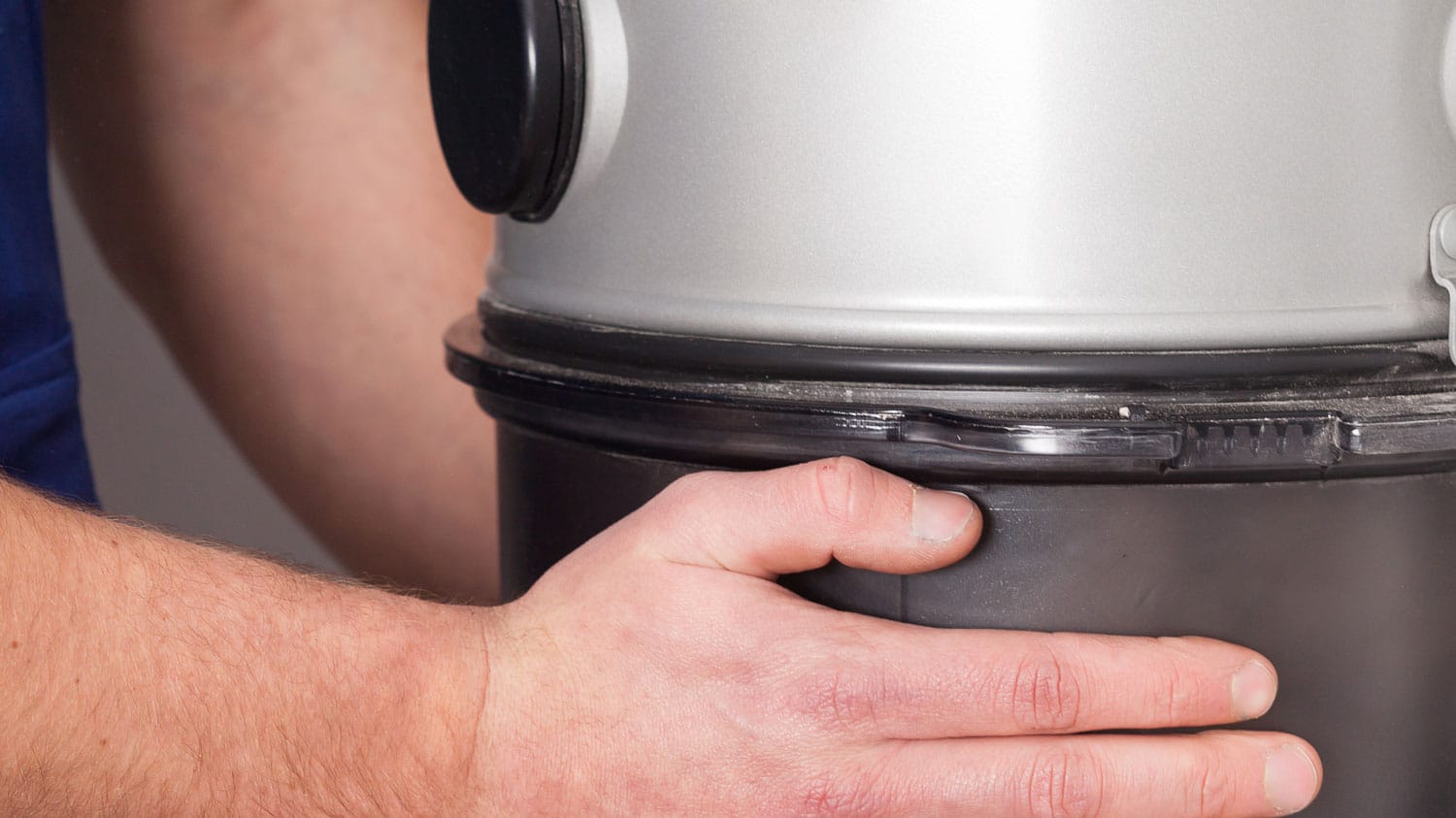
- We install the centralvac power unit in a smart, accessible spot.
- We test everything to make sure it runs like a dream.
Whether it’s new construction or a well-loved home, our team makes installation seamless and tidy, with no unnecessary drywall damage and no guesswork.
Can You Add One to an Existing Home?
Yes, and it’s one of the most common projects we take on. Central vacuums aren’t just for new builds.
Our installers use crawl spaces, attics, and basements to route tubing with minimal disruption. Even in older homes, we can often tuck the system in without leaving much trace. You get a modern upgrade without compromising your home’s charm or structure.
From a Salt Lake City bungalow to a Park City new build, there’s almost always a practical way to make it work.
Is a Central Vacuum Right for You?
A central vacuum system could be a smart move if:
- Your home is more than one level and lugging a vacuum up and down stairs is your least favorite chore.
- Someone in your household has allergies and cleaner air is a top priority.
- You’re building or remodeling and want to invest in something built to last.
- You’re tired of replacing portable vacuums that don’t hold up.
If you’re on the fence, a quick conversation with our team can help you weigh the cost against the long-term value for your specific home. We’re not here to pressure you, just to help you figure out what makes sense for your space and budget.
Why Choose Reed’s Built-Ins?
Reed’s Built-Ins has installed home technology systems in Utah for over 50 years. We’re not chasing trends. From design to installation to ongoing support, we make sure every system we touch is built for performance and built to last.
So when you’re ready to ditch the cord chaos and embrace a smarter clean, we’re here to help.
Let’s make your life easier, cleaner, and a little more high-tech.
Contact us today to get started!
FAQs: Central Vacuum Edition
Can you DIY a central vacuum installation?
You technically can, but it’s not something we’d recommend. Installing a central vacuum system means cutting into walls, routing tubing, and working with electrical connections in the right order. Get it wrong and you risk poor suction or an expensive repair down the line. A professional installer, like the team at Reed’s Built-Ins, makes sure it’s done right the first time, with no guesswork.
What are the different types of central vacuums?
Central vacuums generally come down to two setups: bagged systems, which collect debris in a disposable bag for easy cleanup and allergy control, and bagless (cyclonic) systems, which use a filter and a canister you empty by hand. Some manufacturers offer hybrid models that support both. You can also add features like self-cleaning filters, extra sound insulation, or a retractable Hide-A-Hose setup depending on how you want to clean.
Are central vacuums worth it?
If cleaner air, stronger suction, and long-term convenience matter to you, most homeowners find central vacuums worth considering. They often outlast several portable vacuums and can add appeal for future buyers. The upfront cost is higher, but the payoff shows up in performance and how long the system lasts.
What’s the lifespan of a whole house vacuum system?
A well-installed central vacuum system can last 20 years or more, especially if it’s professionally maintained and fitted with high-quality components. You may need to replace accessories like hoses or brushes over time, but the core system is built to endure—another reason it stands apart from your average upright vacuum.


