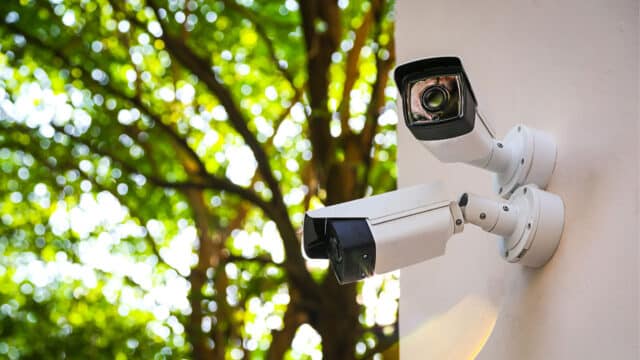
Where Should I Place Security Cameras In and Around My Utah Home?
Where Should I Place Security Cameras In and Around My Utah Home?
October 2, 2025
Most home security camera guides assume you live somewhere with mild weather and cookie-cutter subdivisions. They don’t account for the fact that it might be 20 below in January and 105 in July, or that half the homes along the Wasatch Front are built into hillsides with walkout basements.
We’ve been installing security systems in Utah since the 1970s. Back then, most of our work was in older neighborhoods in Salt Lake and Ogden. Now we’re all over, from new builds in Eagle Mountain to cabins up American Fork Canyon. Every house teaches us something new about what works and what doesn’t in this state.
The biggest thing people get wrong is treating Utah like it’s Phoenix or Denver. It’s not. Our weather is harder on equipment, our homes are built differently, and honestly, most families here live differently than people assume.
Why Utah Houses Need Different Thinking
Temperature swings kill cameras. We’ve seen cheap units crack in cold snaps and others overheat during those brutal July weeks when it doesn’t cool off at night. Good equipment costs more upfront, but replacing failed cameras every few years costs more.
Most Utah homes have some combination of covered porches, long driveways, and walkout basements. The covered porches create weird shadows. The long driveways mean someone can be on your property for 30 seconds before they reach your house. The walkout basements give you an extra entry point that feels hidden but really isn’t.
Then there’s all the stuff people keep around here. ATVs, boats, camping trailers, ski equipment worth more than some people’s cars. Your garage isn’t just for parking anymore; it’s storage for thousands of dollars of recreational gear.
Where Security Cameras Actually Need to Go
Front Doors and Main Entries
Everyone puts a camera at the front door. The trick is getting it positioned so you can actually see faces instead of just the tops of heads or silhouettes against bright sky.
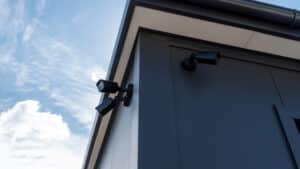
Those deep porches that keep snow off your door in winter create problems in summer when the sun angle is different. We usually end up mounting cameras in corners, not directly above doors. Gives you a better angle and avoids backlighting issues.
Video doorbells work fine if you get ones rated for temperature extremes. The cheap ones from big box stores quit working when it gets below 10 degrees.
Side Doors and Garage Entries
Every house seems to have a side door that goes into the mudroom or kitchen. These get forgotten because they feel secondary, but they’re usually less visible from the street and neighbors. Someone casing houses notices which doors get used and which don’t.
Garage doors need coverage, but so do the regular doors that connect garages to houses. There are too many break-ins where someone got into the garage first, then had all the time they wanted to work on the interior door.
Basement Walkouts
Utah builders love walkout basements. Makes sense with our hills and slopes. But these lower entries are vulnerable because they’re hidden from street view and often lead right into family rooms where people keep electronics.
The coverage needs to extend past just the door. Most walkouts have patios or deck areas where someone could hide while working on locks or windows.
Driveways and Parking Areas
Utah driveways run long, especially in older neighborhoods where lots are bigger. You want to see someone coming up your driveway, not just arriving at your garage.
Multiple vehicles are normal here. Most families have at least two cars, plus maybe an RV, boat trailer, or utility trailer. These create blind spots and hiding places. Walk around your property and look for spots where someone could approach your house without being seen from windows or by neighbors.
One thing that helps: mount outdoor cameras 8 to 10 feet up. Gets them above snow piles and out of reach of kids or anyone trying to mess with them.
Indoor Security Camera Coverage Matters Too
Main Living Areas
Most Utah homes have that big kitchen and family room combination where everyone actually spends time. Formal living rooms that nobody uses don’t need cameras; focus on where your family really lives.
Mudrooms get heavy use and often store expensive gear. Camera here serves double duty; you see unauthorized entry and you can keep track of who borrowed the good sleeping bags.
Hallways and Stairs
Ranch homes have long hallways. Split-levels have stairs. Both create natural choke points where anyone moving through the house has to pass. One camera in the right spot can cover a lot of ground.
Utah families put valuable stuff in hallways. Family photos, artwork, sometimes expensive bikes or skis mounted as decoration. Worth protecting.
What to Skip
Don’t put cameras in bedrooms or bathrooms. Should go without saying, but apparently it doesn’t. Also skip home offices where work-from-home people handle confidential stuff, or anywhere people might reasonably expect privacy.
Legal Stuff You Should Know
Utah law says your cameras can only record your own property. Sounds simple until you realize that camera in your backyard might be picking up your neighbor’s hot tub or bedroom windows.
This matters more in newer neighborhoods where houses are built closer together. That camera covering your patio needs to be angled so it’s not accidentally recording next door.
HOAs have rules about visible security equipment. Some don’t care, others get picky about anything visible from the street. Check before you install.
DIY vs Professional Installation
Simple setups work fine for DIY. Mount a couple wireless cameras, connect to your wifi, done.
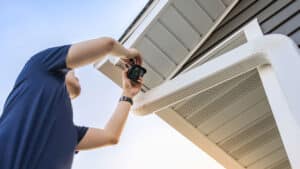
But Utah throws complications at you. Weather sealing matters when temperatures swing 80 degrees between seasons. Running wires through finished homes is harder than YouTube makes it look, especially in older houses with limited attic access.
Professional installation makes sense if you want everything integrated. Cameras that talk to your alarm system, lighting that activates with motion detection, alerts that go to your phone but not your teenager’s. Getting all that coordinated takes experience.
We’ve worked on every type of house Utah builders have put up. Adobe homes in St. George that bake in summer. Log homes in Park City that freeze in winter. New construction in Lehi where everything is wired for smart home integration. Each one has different challenges.
Keeping Everything Working
Utah weather requires maintenance. Spring brings dust storms and pollen that coat lenses. Summer heat drains batteries faster and can warp plastic housings. Fall winds blow leaves and debris into camera views. Winter snow accumulates on housings and ice can crack cheap equipment.
Clean cameras quarterly, more during pollen season or after dust storms. Check battery levels more often during temperature extremes. A camera that works great in October might struggle during a January cold snap.
We typically recommend scheduling cleaning right after Conference weekend in April, again before school starts in August, after leaves fall in November, and sometime in January when you’re tired of being inside anyway.
Making It Work for You
Utah families are different. You probably leave early for powder days. Your kids play outside year-round. You’ve got expensive toys that need secure storage.
Think about your real routine, not some generic family schedule. Do you travel frequently for work? Have teenagers who come and go at all hours? Work from home? Your camera system should match how you actually live.
Seasonal changes matter too. That camping trailer that sits in the driveway all winter changes your security setup when it disappears for summer trips. Plan for these variations.
Getting Security Camera Placement Right
Good camera placement isn’t about following some universal checklist. It’s about understanding your specific house, your neighborhood, and how your family lives.
We start every consultation by walking properties with homeowners. You know your house better than we do initially, but we know what problems to look for and how Utah weather will affect different placement options.
After fifty years of Utah installations, we’ve learned that every house is different, but the problems are usually similar. Weather challenges, privacy concerns, integration with existing systems, and equipment that actually works when it’s 15 below or 100+ degrees.
Your house deserves security that works with Utah’s climate and your lifestyle, not against them. Call us when you’re ready to get it set up right.